


Mákos Kifli – Soft Hungarian Poppy Seed Crescent Rolls

Soft, golden yeast dough wrapped around a generous amount of sweet poppy seed filling—this is mákos kifli, one of those Hungarian pastries that makes the whole kitchen smell wonderful while it bakes.
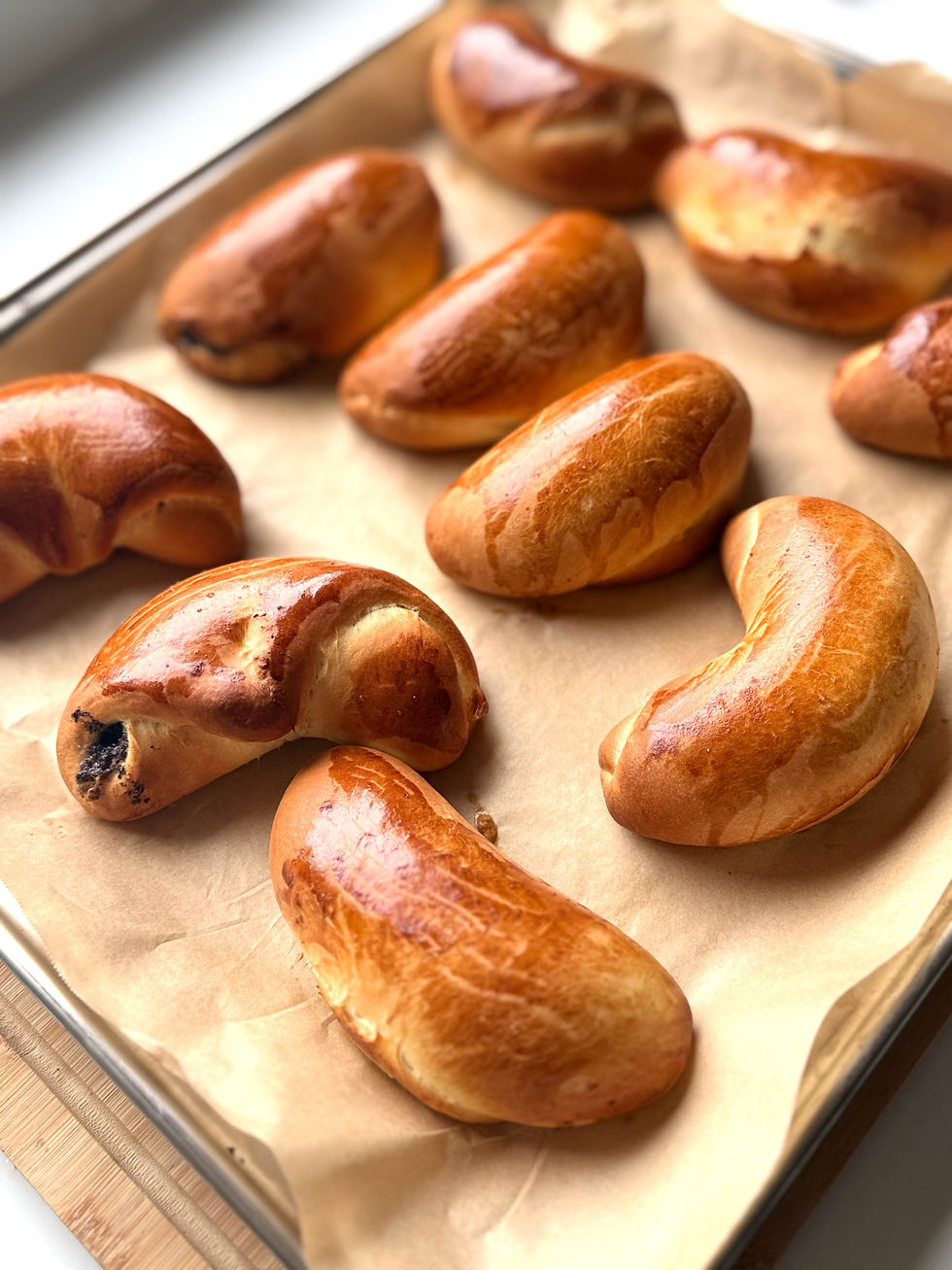
The dough is light, tender, and slightly sweet, while the filling is rich, moist, and flavoured with fresh lemon zest. And as you can see, I don’t believe in making mákos kifli with only a tiny stripe of filling! For me, the filling-to-dough ratio is very important.
These homemade poppy seed crescents require a few resting periods, but the actual process is simple. Give the dough enough time to rise, fill each piece generously, shape it into a crescent, and bake until beautifully golden.
What Is Mákos Kifli?
The Hungarian word mákos means “made with poppy seeds,” while kifli refers to the pastry’s familiar crescent shape. Although they look a little like croissants, these are not made with laminated pastry. Mákos kifli is prepared with a soft, enriched yeast dough containing milk, egg, butter, and sugar. Each piece is filled with a sweet ground poppy seed mixture before being rolled and shaped into a crescent. They are wonderful with coffee or tea and can be served for breakfast, as an afternoon treat, or as part of a Hungarian holiday dessert table.
Why You’ll Love This Recipe
Soft and fluffy homemade yeast dough
Plenty of moist poppy seed filling
Fresh lemon zest balances the sweetness
Beautiful golden crescent shape
Freezer-friendly
Perfect with coffee or tea
Recipe Information
Yield: 10 kifli
Preparation time: Approximately 35 minutes
Rising and resting time: Approximately 1 hour 40 minutes
Baking time: 20–25 minutes
Oven temperature: 180°C/350°F
Difficulty: Intermediate
Ingredients
For the dough
400 g all-purpose flour
Pinch of salt
20 g fresh yeast
180 ml lukewarm milk
80 g granulated sugar
1 large egg
50 g butter, softened or melted and cooled
For the poppy seed filling
250 g ground poppy seeds
150 g granulated sugar
170 ml milk
Finely grated zest of 1 lemon, or to taste
For finishing
1 egg, beaten, for the egg wash
Powdered sugar for dusting, optional
Instructions
1. Activate the yeast
Warm the milk until it is pleasantly lukewarm but not hot. Crumble the fresh yeast into a small amount of the milk and add a little sugar taken from the measured 80 grams.
Stir gently and leave it for approximately 5 minutes, or until the yeast becomes foamy.
2. Prepare the dough
Place the flour, remaining sugar, and a pinch of salt in a large mixing bowl. Add the egg, activated yeast mixture, and remaining lukewarm milk. Begin mixing, then add the butter. Knead until the dough becomes smooth, soft, and elastic. It should feel supple without being overly sticky. Shape the dough into a ball, place it in a lightly greased bowl, and cover it with a clean kitchen towel or plastic wrap. Leave it to rise in a warm place for approximately 1 hour, or until visibly doubled in size.
3. Make the poppy seed filling While the dough rises, prepare the filling.
Place the milk and sugar in a saucepan and warm them gently until the sugar dissolves. Add the ground poppy seeds and lemon zest, then stir until everything is evenly combined. Cook briefly over low heat until the mixture thickens into a moist, spreadable filling. Remove it from the heat and let it cool completely before filling the dough. The filling should be moist but firm enough to hold its shape. If it is too warm or runny, it may escape while you shape or bake the kifli.
4. Divide the dough
Once the dough has risen, gently press out the excess air and transfer it to a lightly floured work surface. Divide it into 10 equal portions, approximately 75–80 grams each.
Shape each portion into a smooth ball. Cover the dough balls and let them rest for another 10 minutes. This short resting period relaxes the dough and makes it much easier to roll out.
5. Fill and shape the kifli
Working with one dough ball at a time, roll it into a small square. Place a generous portion of the cooled poppy seed filling near one corner. Fold that corner of the dough over the filling and press the dough firmly around the filling, especially at both ends. Sealing the ends carefully helps prevent the filling from escaping during baking.
Continue rolling the dough toward the opposite corner. Gently curve the finished roll into the traditional crescent shape. Repeat with the remaining dough and filling. You can also watch my video to see exactly how I fold, seal, and shape each kifli.

6. Let the shaped kifli rest
Arrange all 10 shaped crescents on a baking sheet lined with parchment paper, leaving some space between them. Cover loosely and let them rest for another 15–20 minutes while the oven preheats to 180°C/350°F.
7. Apply the egg wash
Brush the tops of the kifli evenly with the beaten egg. This creates their beautiful glossy, deep golden finish.
8. Bake
Bake in the preheated oven for approximately 20–25 minutes, or until the kifli are puffed and beautifully golden brown. Because ovens can vary, begin checking them around the 20-minute mark. Transfer the baked kifli to a wire rack and let them cool before serving. Dust lightly with powdered sugar if desired.
Tips for the Best Mákos Kifli
Use ground poppy seeds Whole poppy seeds will not create the same soft, cohesive filling. For the traditional texture, the seeds must be finely ground. Let the filling cool completely Warm filling can soften the dough and make shaping more difficult. It may also cause the kifli to split or leak in the oven. Seal both ends carefully After folding the dough over the filling, press around it and close the ends before finishing the roll. This keeps as much of that delicious filling inside as possible. Don’t skip the resting periods
The first rise gives the dough its soft texture. Resting the individual dough balls makes them easier to roll, and the final rest allows the shaped kifli to become light and fluffy before baking. Don’t overbake Bake only until the tops are rich golden brown. Overbaking can dry out the soft yeast dough.
How to Store Mákos Kifli
Store completely cooled kifli in an airtight container at room temperature for up to 2 days. For longer storage, keep them refrigerated and gently warm them before serving.
They are especially delicious when slightly warm, with the poppy seed filling soft and fragrant.
Can You Freeze Mákos Kifli?
Yes. Allow the baked kifli to cool completely, then wrap them individually and place them in a freezer-safe bag or container. Freeze for up to 2–3 months. Thaw at room temperature and warm briefly in the oven before serving. Add powdered sugar after reheating.

Soft Dough, Plenty of Poppy Seed Filling
These homemade mákos kifli bring together everything I love about traditional Hungarian baking: soft yeast dough, fresh lemon zest, and a generous amount of rich poppy seed filling.
Enjoy them slightly warm with coffee or tea, serve them as an afternoon treat, or add them to your holiday baking table. Just be warned—they tend to disappear very quickly!
Now I would love to know what you think: Is this the perfect filling-to-dough ratio, too much poppy seed filling, or would you add even more? Let me know in the comments below!
If you make this recipe, please leave a comment and share your creation with me. Tag me on Instagram so I can see your beautiful mákos kifli.
Discover More From My Hungarian Kitchen
Follow Along
Happy baking—or as we say in Hungarian, jó sütést és jó étvágyat! 🇭🇺


Comments