


Hungarian Kohlrabi Soup with Csipetke

Karalábéleves csipetkével
There is something special about market season. The tables start filling up with young, fresh vegetables, and suddenly I want to cook everything I see. And when I spot beautiful, tender young kohlrabi, this soup is one of the first things that comes to mind.
In Hungarian, kohlrabi is called karalábé, and it is used in so many ways. We stuff it, turn it into főzelék, eat it raw—and, of course, make soup with it.
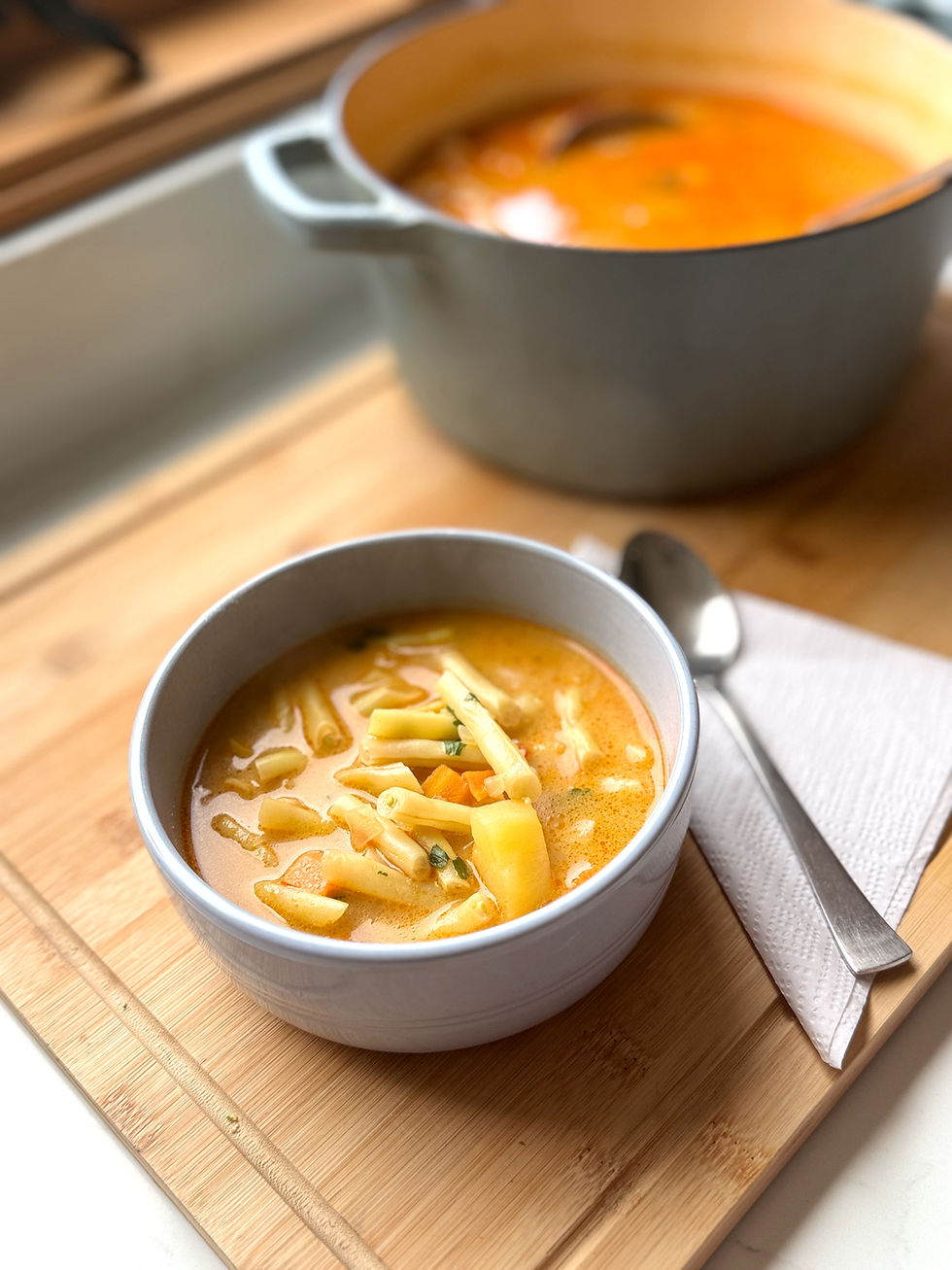
And saying “just soup” really doesn't do this one justice. Karalábéleves is a light but wonderfully comforting Hungarian vegetable soup filled with tender kohlrabi, carrots and root vegetables, plenty of fresh parsley, and tiny homemade csipetke, our traditional Hungarian pinched noodles. The best part? It’s incredibly quick to make. The vegetables don't need hours of cooking, and while my soup was simmering, I made the csipetke. By the time I finished pinching the little noodles, the soup was practically ready. Simple, inexpensive, seasonal Hungarian cooking at its best. 🥣
What Is Kohlrabi?
If you didn't grow up eating it, kohlrabi can look a little strange sitting at the market.
It belongs to the cabbage family, but young kohlrabi has a mild, slightly sweet flavor and a wonderfully tender texture when cooked. The smaller, younger bulbs are especially good for soup because they cook quickly and don't become woody. When they're fresh and inexpensive at the market, grab a few. This is exactly the kind of seasonal vegetable Hungarian home cooking makes the most of.
What Is Csipetke?
Csipetke are tiny Hungarian pinched noodles traditionally added to soups and stews.
The name comes from the Hungarian word csípni, meaning “to pinch.” Instead of rolling and cutting the dough into noodles, you simply pinch off tiny pieces with your fingers. They're made from just egg, flour and a little salt. And yes, making them takes me longer than cooking this soup. 😂
Ingredients
For the Kohlrabi Soup
3 young, tender kohlrabi, peeled and diced
3 carrots, peeled and sliced
2 parsley roots or parsnips, peeled and sliced
1 small piece celery root, or a few celery leaves
1 onion, finely chopped
2 tablespoons lard or oil
1 tablespoon all-purpose flour
1 teaspoon Hungarian sweet paprika, or to taste
1 fresh Hungarian pepper or sweet pepper
1 tomato
1 bunch fresh parsley
Salt, to taste
Freshly ground black pepper, to taste
1.5–2 litres water
For the Csipetke
1 egg
Approximately ¾–1 cup all-purpose flour, as needed
Pinch of salt
Extra flour for dusting
For Serving
Fresh chopped parsley
Sour cream, optional
How to Make Hungarian Kohlrabi Soup
1. Prepare the vegetables
Peel the kohlrabi and root vegetables. Cut the kohlrabi into small cubes and slice the carrots and parsley roots or parsnips. Finely chop the onion and some of the parsley.
2. Sauté the vegetables
Heat the lard or oil in a large soup pot. Add the finely chopped onion and sauté until translucent. Add the carrots, parsley root or parsnip, kohlrabi and some of the chopped parsley. Cook everything together for a few minutes, stirring occasionally.
3. Make the light rántás
Sprinkle 1 tablespoon of flour over the vegetables and stir well. Remove the pot briefly from direct heat before adding the Hungarian paprika so it doesn't burn and become bitter. Stir until the vegetables are evenly coated.
4. Add the water and seasonings
Pour in approximately 1.5–2 litres of water, stirring well so the flour incorporates smoothly into the broth. Add the whole pepper, tomato and celery leaves. Season with salt and freshly ground black pepper. Bring the soup to a boil, reduce the heat, cover and gently simmer until the vegetables are almost tender. Don't overcook the kohlrabi—young kohlrabi cooks surprisingly quickly.
Make the Homemade Csipetke
While the soup is cooking, prepare your csipetke. Crack the egg into a small bowl and add a pinch of salt. Beat it lightly with a fork. Gradually add flour, mixing until you have a very firm dough. You want it much firmer than a batter—it should be firm enough that you can pinch off tiny pieces without them sticking badly to your fingers.
Dust the dough generously with flour. Using your fingertips, pinch off very small pieces of dough. Remember that they expand while cooking, so keep them tiny.
Drop the csipetke directly into the simmering soup. Cook for another few minutes. Once the little noodles float to the surface and are cooked through, your soup is ready.
How to Serve Karalábéleves
Taste the soup and adjust the salt and pepper if necessary.
Remove the whole pepper, tomato and celery leaves if you prefer, then finish with plenty of freshly chopped parsley. Serve piping hot with a spoonful of sour cream if you like. That's it. No complicated ingredients, no hours standing over the stove—just fresh vegetables, homemade csipetke and a pot of comforting Hungarian soup. ❤️
A Few Tips
Choose young kohlrabi. Smaller, tender kohlrabi has a sweeter flavor and softer texture. Very large or older kohlrabi can sometimes become fibrous or woody.
Don't burn the paprika. Hungarian paprika can turn bitter quickly, which is why I add it after the flour and don't let it fry over high heat.
Keep the csipetke tiny. They grow considerably once they hit the hot soup.
Use the leaves if they're beautiful. Tender young kohlrabi leaves are edible too, so you can finely chop some and add them to the soup rather than throwing them away.
Oil works perfectly well instead of lard. Traditionally Hungarian soups may use lard, but this recipe is also delicious made with a neutral cooking oil.

Why I Love This Soup
This is exactly the kind of recipe that reminds me why I love traditional Hungarian home cooking. You go to the market, see what's young, fresh and inexpensive, bring it home and turn it into something wonderful. No fancy ingredients. No complicated techniques.
And somehow a few kohlrabi, root vegetables, an egg and a handful of flour become a pot of homemade soup that can feed the family. So before you tell me you don't like kohlrabi... let a Hungarian make you soup first. 🥣😂
If you're following my Soup Season, stay with me—there are plenty more Hungarian soups coming. And if you make this karalábéleves csipetkével, tell me: what did your family make with kohlrabi—soup, főzelék or stuffed kohlrabi?
More Hungarian Recipes to Try
If you enjoyed this Hungarian Kohlrabi Soup with Csipetke, there are plenty more comforting Hungarian recipes waiting for you in my kitchen.
Continue Soup Season with my Hungarian Yellow Bean Soup (Zöldbableves), or try my traditional Egg Soup (Tojásleves) when you want something incredibly quick and inexpensive.
For something heartier, my Paprikás Krumpli is classic Hungarian comfort food, while Lángos is always worth making when you're craving one of Hungary's most loved street foods.
And if you're in the mood for something sweet after your soup, try my Hungarian Apple Pie (Almás Pite) or Képviselőfánk.
And remember: before you say you don't like kohlrabi… let a Hungarian make you soup. 🥣
Jó étvágyat! ❤️


Comments